














A $1.2 million transient animal facility is nearing project completion on the west side of campus. This project was started after the previous facility was destroyed by a derecho in 2022.
According to Dean of the College of Agriculture, Food and Environmental Sciences (CAFES) Joseph Cassady, the transient animal facility temporarily holds animals who come to campus for days or months at a time.
“It’s a biosecurity measure to keep the transient animals separate from our resident herds,” Cassady said.
These animals used to be housed in an old cow-calf facility built in the 1960s, which did not have room for transient pigs. On the west end of the new facility, there will be an enclosed structure specifically for pigs.
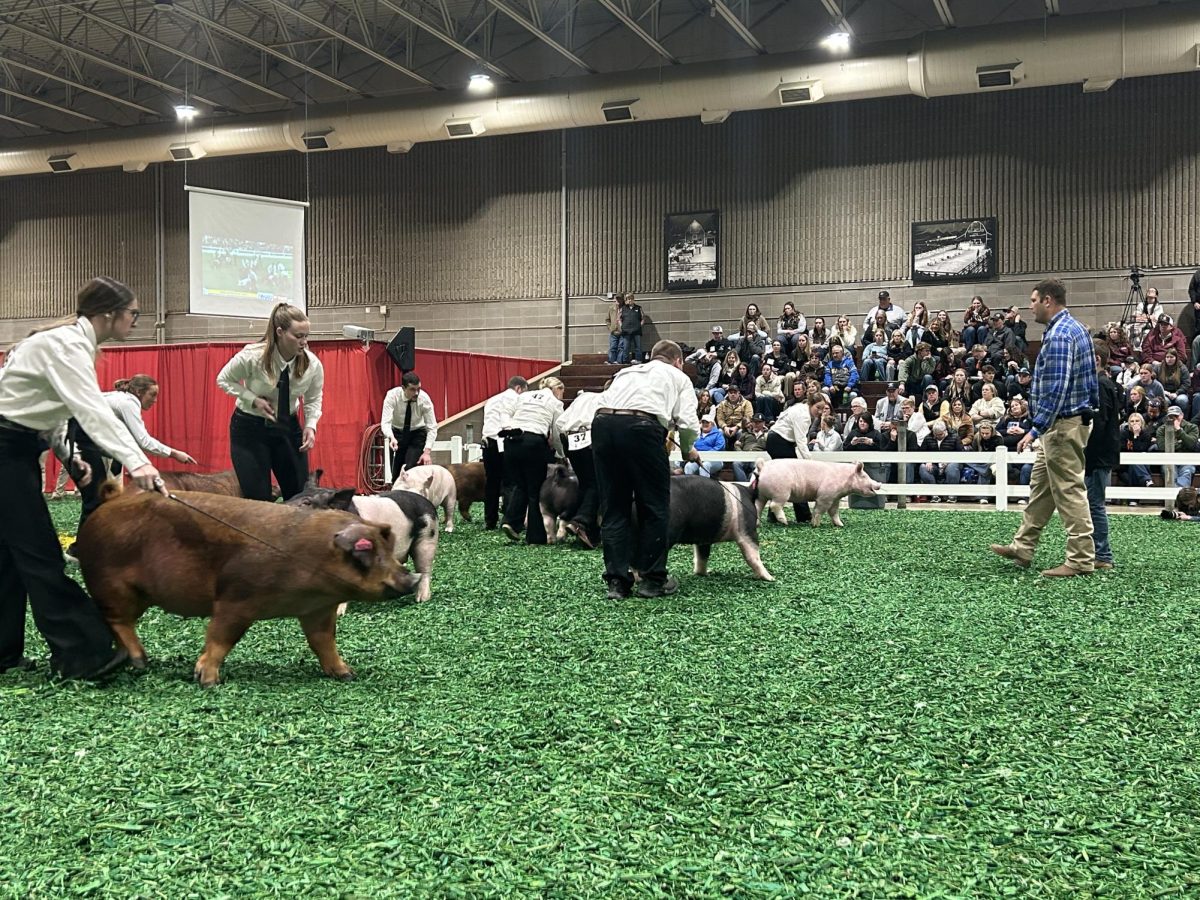
“That area needs to be able to house them (transient pigs) during cold weather because oftentimes in January at the beginning of the spring semester, we will bring in pigs to support our livestock judging team practices as well as classroom activities,” Cassady said.
The new facility is being built in the same spot it was in before and will remain the same size with the exception of the enclosed pig structure. However, according to Cassady, one mile north of the transient animal facility there was another front facing, 200 foot building that was destroyed by the 2022 derecho. This unit is known as the “BBU.”
“We are not building that building (the BBU) back, so when you consider both of the buildings that were destroyed by the derecho, the new building, even with the pig part, is less square footage than what we had before,” Cassady said.
This project was originally anticipated to be complete for the fall semester. Issues regarding staying on budget were addressed in early summer, making the completion process delayed to spring 2026.
The transient animal facility will house animals as well as provide learning opportunities for CAFES students.
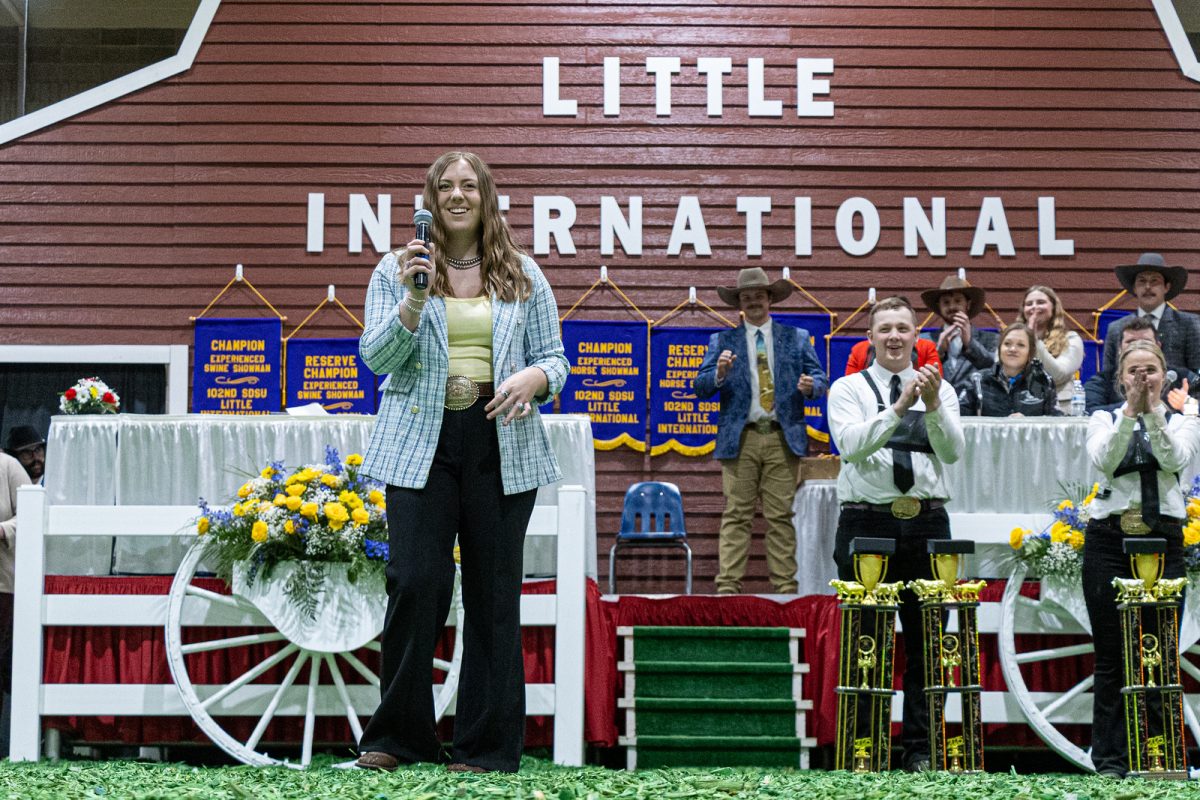
“It’s (the transient animal facility) designed to support our hands-on learning experience,” Cassady said. “Many students participate in Little International and they will benefit from these facilities as we can house the pigs that are used for Little International.”