











A South Dakota lawyer with extensive experience in First Amendment issues said Monday night that SDSU has “plenty of authority” to punish a group of students who appeared in a racist video posted on Snapchat last week.
“Horrific … disgusting, disgraceful,” Jim Leach, an attorney in Rapid City, said. “I mean… I was stunned.”
The video was posted on Snapchat to a story called “SDSU 2026.” The story is not affiliated with the university, but the platform does feature videos and posts related to SDSU. According to Snapchat, anyone who wants to view or post to the story must have an SDSU-related email address.
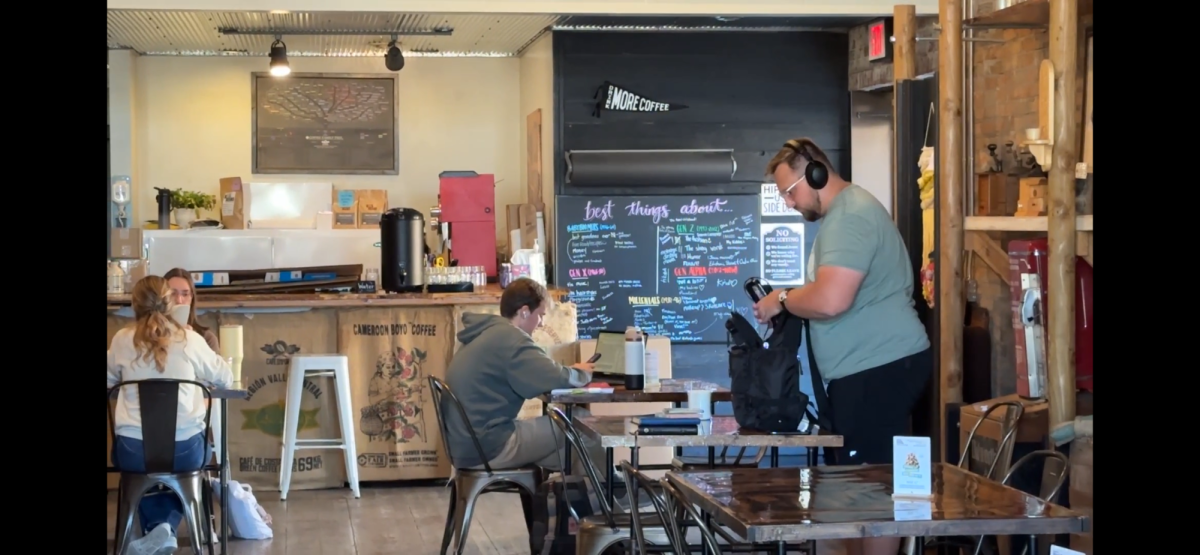
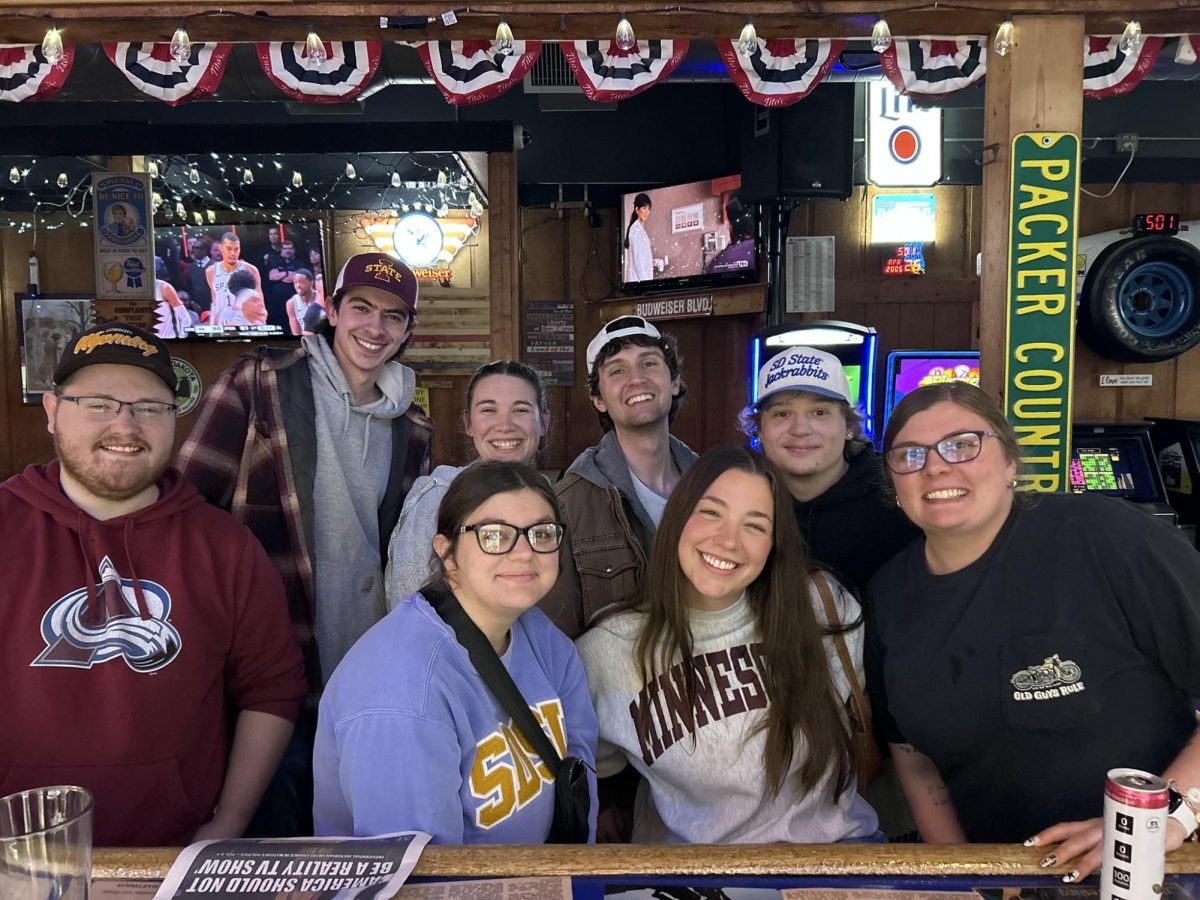
The 46-second video appears to be shot in a bar where several young men, who appear to be white, make racist comments and what appear to be threats against Black people. The video includes racist slurs, disparaging language and threats to “lynch” and “kill” Black people.
The video has since been deleted, but recordings of it have been circulating on social media. One specific version posted to TikTok lists names in the caption. That video has gotten over 50,000 likes, over 6,000 bookmarks and nearly 30,000 shares.
When reached on Tuesday afternoon, SDSU spokesperson Mike Lockrem said the university’s statement from last week, which said the university is aware of the video and is looking into it, “still stands.”
Leach said that while the comments made in the video might not rise to the level of true threats, there are other areas of speech that the First Amendment doesn’t allow.
“I don’t take this as a specific threat to an individual. What I’m saying is that’s not the only standard,” Leach said. “The standard includes the effect on other students and the effect on individuals.”
Haley Gluhanich is senior program counsel for the Foundation for Individual Rights and Expression (FIRE), which is an organization that promotes the value of free speech for Americans in courtrooms and on campuses. She said that just discussing violence itself is protected by the First Amendment, but expressing intent makes it unprotected.
“Is it more of a joke? Is it more of a conditional statement? A hypothetical? Is it a hyperbole?” Gluhanich said. “One thing I always look at when I’m analyzing speech is: is there a plan?”
POLICE INVESTIGATION
Reached late last week, Brookings Police Chief Michael Drake, who is also serving as interim chief of the University Police Department (UPD), confirmed that the city department was also looking into the video.
“Of course, UPD has the authority to do different things, but because it happened in the city proper, and it was reported to the city police department on Saturday morning, they’ll investigate it,” Drake said.
There are no criminal charges at this time, but Drake said the department is working with the Brookings County State’s Attorney to determine if any should be filed.
He also said there is no formal timeline for the investigation and that in situations like this, the “biggest thing” is the authenticity of the video. The process of verifying its authenticity includes identifying people in the video and determining what is happening frame by frame.
“That takes a little bit of time, and we want to be methodical in this,” Drake said. “You know, although somebody may not be criminally charged in this, there’s a lot of questions that want to be answered by not only the public, but different entities.” Drake said.
As of Tuesday afternoon, the investigation is ongoing.
RESOURCES FOR STUDENTS
After the video surfaced, President Barry Dunn sent a campus-wide message acknowledging it and referred people to the university’s counseling services if they were struggling to deal with its content.
Audra Kelley Fullterton, assistant director of the Student Health Clinic and Counseling Services, said she could not say whether more students have called since the video was posted, but she encouraged students who may be struggling and experiencing effects to visit the clinic. Drop-in hours are available for anyone who may need to talk, according to Fullerton.
“So, things like losing sleep, being distracted, things like starting to avoid tasks, or places or people,” Fullerton said. “If they’re noticing that they’re thinking about any particular thing or situation and it’s starting to impact their daily life, those are all good signs that they should come in and check in with a counselor.”
For his part, Leach emphasized that the video is not private speech. It was done in a public place and was loud enough for everyone to hear. The message has certainly been broadcast to a wide audience.
“I don’t know how a university keeps its space safe for black students if it allows someone to say those things, then thinks that everyone just has to tolerate that, because we don’t,” Leach said. “So I think that regardless of whether it’s a threat, the university has plenty of authority to do something to protect black students.”